Understanding Greenfield Center Building Permit Requirements
November 6, 2025
November 6, 2025
Thinking about a weekend deck build or swapping in new windows? In Greenfield Center, even small home projects can trigger permits. You want to improve your home without delays, fines, or surprises at closing. This simple guide explains what typically needs a permit, how the process works, and who to call in the Town of Greenfield so your project stays on track. Let’s dive in.
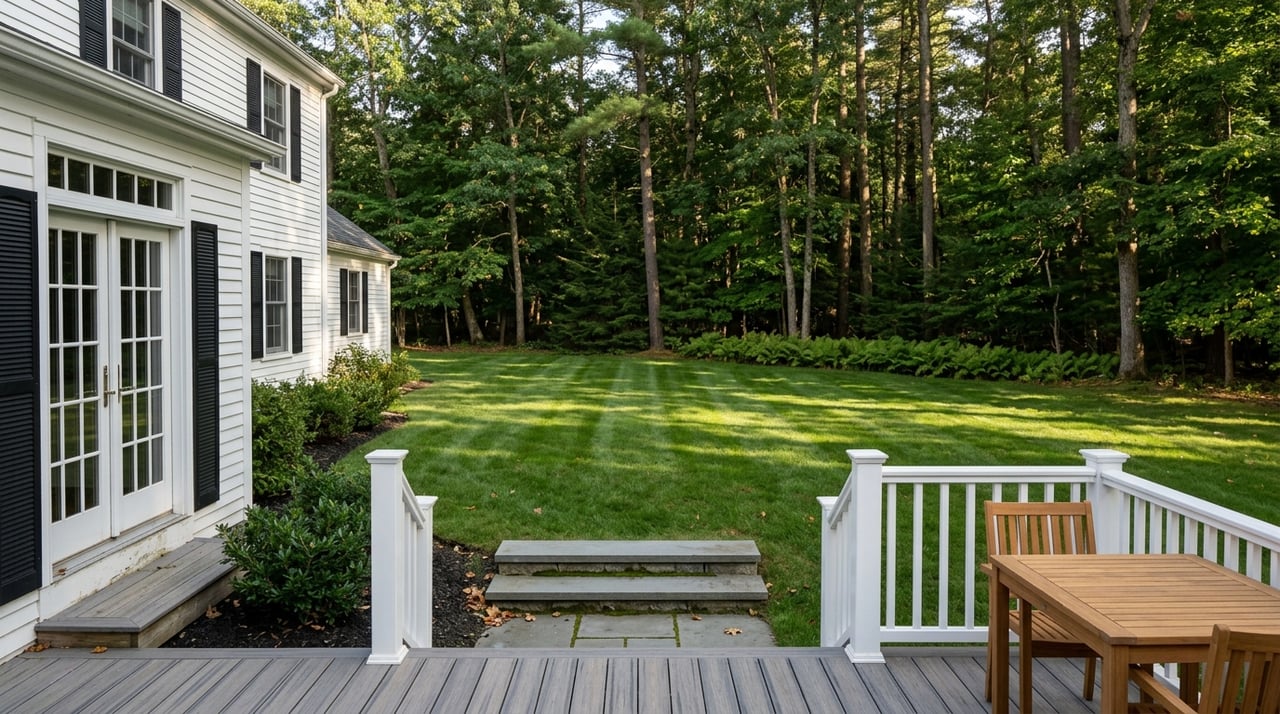
Most additions, new rooms, and major structural changes require a building permit. New detached garages and larger accessory structures usually need a permit and a zoning check for setbacks and lot coverage. Sheds may be exempt under a local size threshold, but placement and setbacks still apply. Decks attached to the house or elevated above a certain height often require permits and inspections. Like-for-like roofing and siding can be considered maintenance in many towns, but changes to structure, roofline, insulation, or ventilation can require permits. Always confirm with the Town of Greenfield before you start.
Electrical service changes, new circuits, panel upgrades, generators, EV chargers, and hot tubs typically require permits and inspections. New or relocated plumbing, water heaters, and gas piping usually need permits. New or replacement HVAC systems often require mechanical permits. Some work may need licensed contractors. Check local requirements first.
If you add bedrooms or increase occupancy, your septic system may need review to confirm capacity. New systems or major repairs require county health approvals and inspections. Contact the Saratoga County Department of Health early if your project could affect wastewater needs.
Fences may be allowed without a permit up to a certain height, but rules on placement, sightlines, and setbacks often apply. Accessory apartments can require zoning reviews. If your plan does not meet setback or coverage rules, you may need a variance through the Zoning Board of Appeals. Ask the Town before you design or order materials.
Work near wetlands, streams, or in a flood-prone area can require state or federal approvals. Tree removal and driveway cuts can also have local rules. Get guidance before you disturb soil or change drainage.
Most solar installations follow a streamlined process but still need permits and inspections. In-ground pools almost always require permits, electrical and safety barriers. Above-ground pools can require permits once water depth passes a certain level, along with barrier and electrical rules.
Permit rules are local. The Town of Greenfield enforces the New York State Uniform Fire Prevention and Building Code along with town zoning.
When in doubt, start with the Town Building Inspector. A quick call can save you time and money.
Confirm zoning setbacks, lot coverage, and height limits. If you plan to add a bedroom, talk to the county health department about septic capacity.
Submit the permit application, project plans or sketches, contractor information, proof of insurance, and fees. Ask about inspections you will need at each stage.
The Town reviews your plans for code and zoning. Some projects need Planning Board review, a variance from the Zoning Board of Appeals, or county health sign-off.
When approved, you receive a permit with conditions. Post it where it is visible on site.
Schedule inspections at milestones like footing, foundation, framing, electrical and plumbing rough, and final. Do not cover work until it passes inspection.
At the end, the Town issues a Certificate of Occupancy or a Certificate of Completion if applicable. Keep this for your records and future sale.
Minor permits can be issued in days to a few weeks. Larger projects that need site plan review, variances, septic approvals, or state permits can take months. Fees vary by project size and scope. Inspections are required and strictly enforced. Skipping inspections can lead to stop-work orders and rework.
Unpermitted work can cause delays at closing. Lenders and title companies may ask for proof of permits and the final Certificate of Occupancy or Completion for additions or changes that affect habitability. If past owners did work without permits, you may need retroactive permits, inspections, or corrective work. Sellers are typically required to disclose known unpermitted work. Getting documentation in order before you list helps protect your timeline and sale price.
If you plan to sell or buy in Greenfield Center, understanding permits can save you from last-minute surprises. Our team knows how permits, COs, and timelines affect pricing and negotiation in Saratoga County. Ready to talk through your next move and get a clear plan? Connect with the The Shayna Goodson Team to get started.
Stay up to date on the latest real estate trends.
Dedicated to both technology and innovation, The Shayna Goodson Team comprises a group of highly specialized real estate professionals who are poised to provide you with tailored solutions to achieve your objectives, whether you're in the market to buy or sell. Our team is known for its unwavering commitment and determination, aiming to become your lifelong, trusted partners in real estate expertise.