Discover Your Ballston Spa Home Value with a Local CMA
November 21, 2025
November 21, 2025
Thinking about selling your Ballston Spa home this spring? You are not alone. Many owners are asking what their home is worth and how to time a move for the busy season. In this guide, you will learn what really drives value in Ballston Spa, how a local agent’s CMA compares to an online estimate, and what to expect from a quick, professional valuation. Let’s dive in.
Ballston Spa includes a walkable village core with historic homes and nearby neighborhoods with larger suburban or rural lots. These micro-markets can move differently, so your location on a specific street matters. Proximity to Saratoga Springs, Route 50, NY-9, and I-87 affects who shops your home, from local professionals to commuters and second‑home buyers.
School attendance boundaries within the Ballston Spa Central School District often shape search areas and buyer pools. Access to downtown shops and dining, parks, community events, and the village’s historic character can add appeal for many buyers. If you are planning a spring listing, remember that activity usually rises in spring, which can shorten days on market and increase competition.
Homes in the village often trade on walkability, historic character, and lot depth. Nearby suburban and rural properties tend to emphasize land size, parking, and privacy. These differences can change price per square foot and the types of buyers who will prioritize your home.
You will likely see a mix of first‑time buyers, move‑up households, and some downsizers. Commuters headed toward Saratoga Springs or the Capital Region also shop Ballston Spa for value and access. Your pricing and marketing should speak to the most likely groups for your micro‑market.
DOM means how long a listing takes to go under contract. Sale‑to‑list ratio compares the final sale price to the asking price. Your agent will pull current numbers from the local MLS so you can decide with confidence.
A strong pricing recommendation blends comparable sales, micro‑market trends, and an on‑site review of your home’s condition and features. The goal is to set a list price range that meets your timing and your target net.
Your agent will select recent sold homes that are similar to yours and adjust for differences. This is called a Comparable Market Analysis, or CMA. The best comps usually sold within the last 3–6 months. Pending and active listings show today’s competition and help fine‑tune strategy.
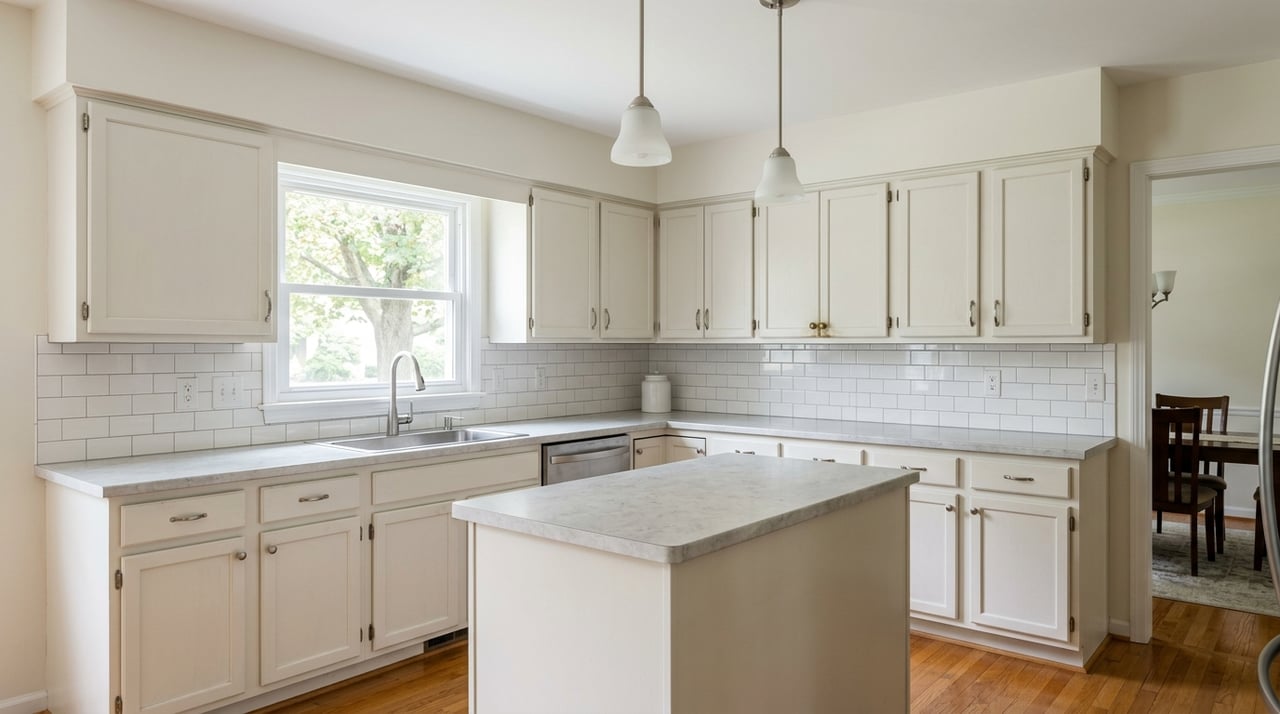
Adjustments account for features buyers pay for in Ballston Spa. Examples include lot size, garage spaces, a finished basement, porches or decks, and kitchen or bath updates. A fully finished basement often raises usable space and appeal. A light, cosmetic kitchen update will not add as much value as a full renovation. Adjustment amounts come from recent local sales, not a generic rule of thumb.
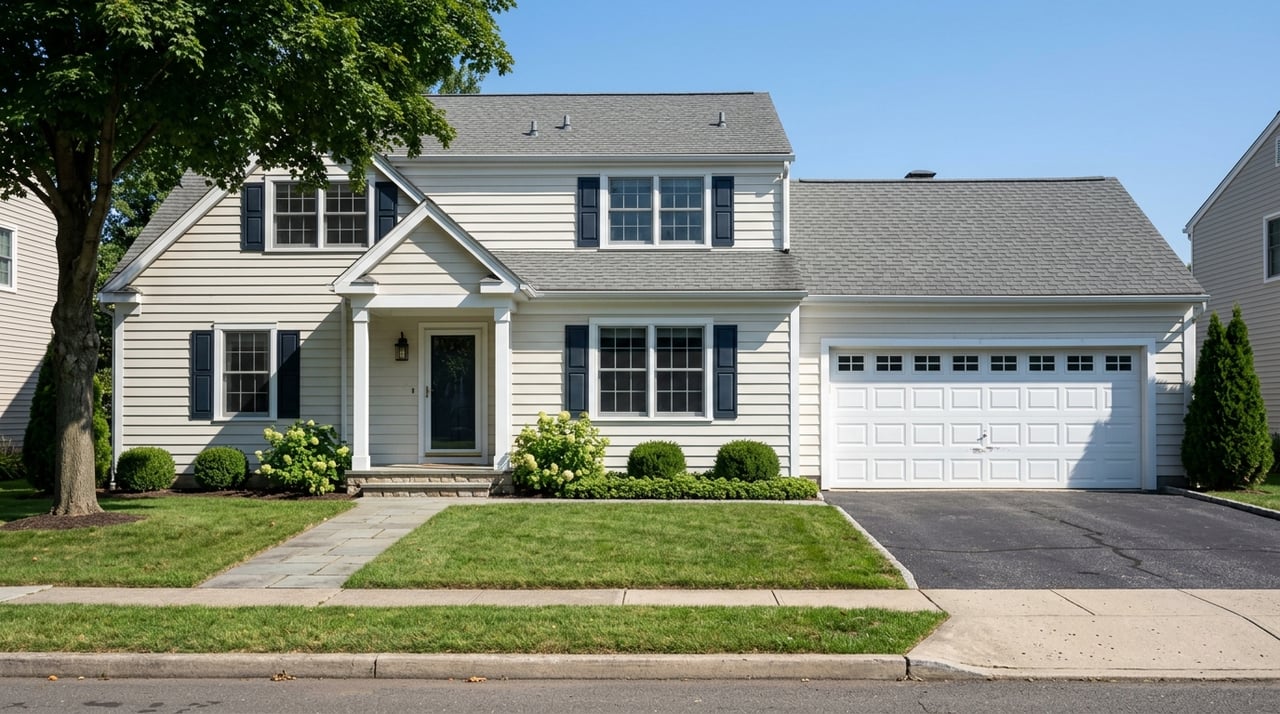
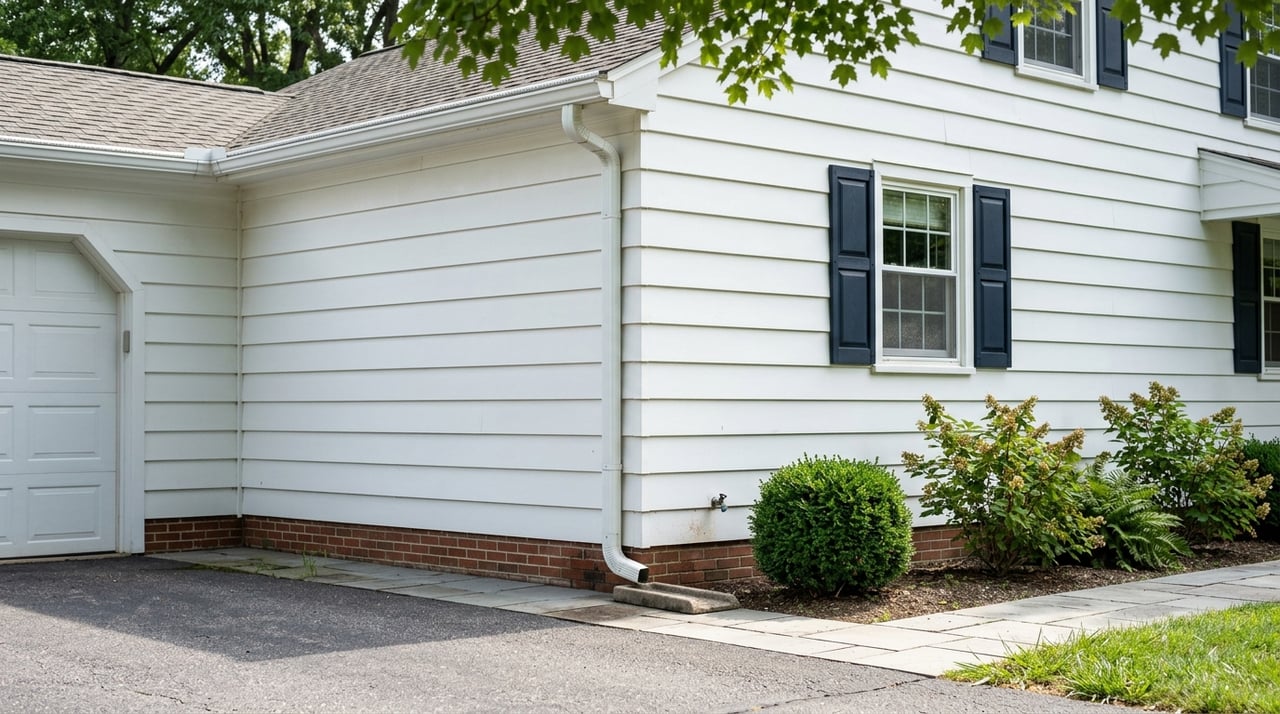
A walkthrough can surface items that data alone misses. Your agent will note roof age and condition, HVAC systems, any water or structural issues, and overall layout and livability. Curb appeal and landscaping shape first impressions. Hidden‑value items like a legal accessory unit, a permitted addition, energy‑efficiency upgrades, or local code or historic constraints can all affect value and marketability.
If you want top dollar quickly, your agent can recommend a strategy that balances price and speed. Some sellers price slightly under market to spark multiple offers. Others price at full market and focus on presentation, staging, and strong marketing. There is no single right answer. Your plan should reflect your home, the current competition, and your timeline.
Online valuation tools, also called automated valuation models (AVMs), combine public records, recent sales, tax assessments, and listing data to estimate value. They are fast and useful for a quick baseline.
A local CMA uses fresh, nearby solds and on‑site observations to make precise adjustments. It also factors in pending sales, current showings, and buyer demand right now. Finally, it sets a price strategy that matches your goals and confirms permits and disclosures that influence value.
You can get a professional value range without a long form. Here is what to expect when you request a one‑click valuation.
In New York, sellers complete required property disclosures and follow local transfer tax practices. Your agent will explain what applies to your sale. If you share contact details for a valuation, you will be asked for your consent and communication preferences, and your information will be used only to provide your estimate and related guidance.
Spring is a great time to capture demand in Ballston Spa. If you want a clear, local price range and a plan to hit the market with confidence, request your free valuation now. Talk with Shayna Lynne Goodson to get your CMA and next steps.
Stay up to date on the latest real estate trends.
Dedicated to both technology and innovation, The Shayna Goodson Team comprises a group of highly specialized real estate professionals who are poised to provide you with tailored solutions to achieve your objectives, whether you're in the market to buy or sell. Our team is known for its unwavering commitment and determination, aiming to become your lifelong, trusted partners in real estate expertise.