Ballston Lake Waterfront Homes: Living & Tradeoffs
March 5, 2026
March 5, 2026
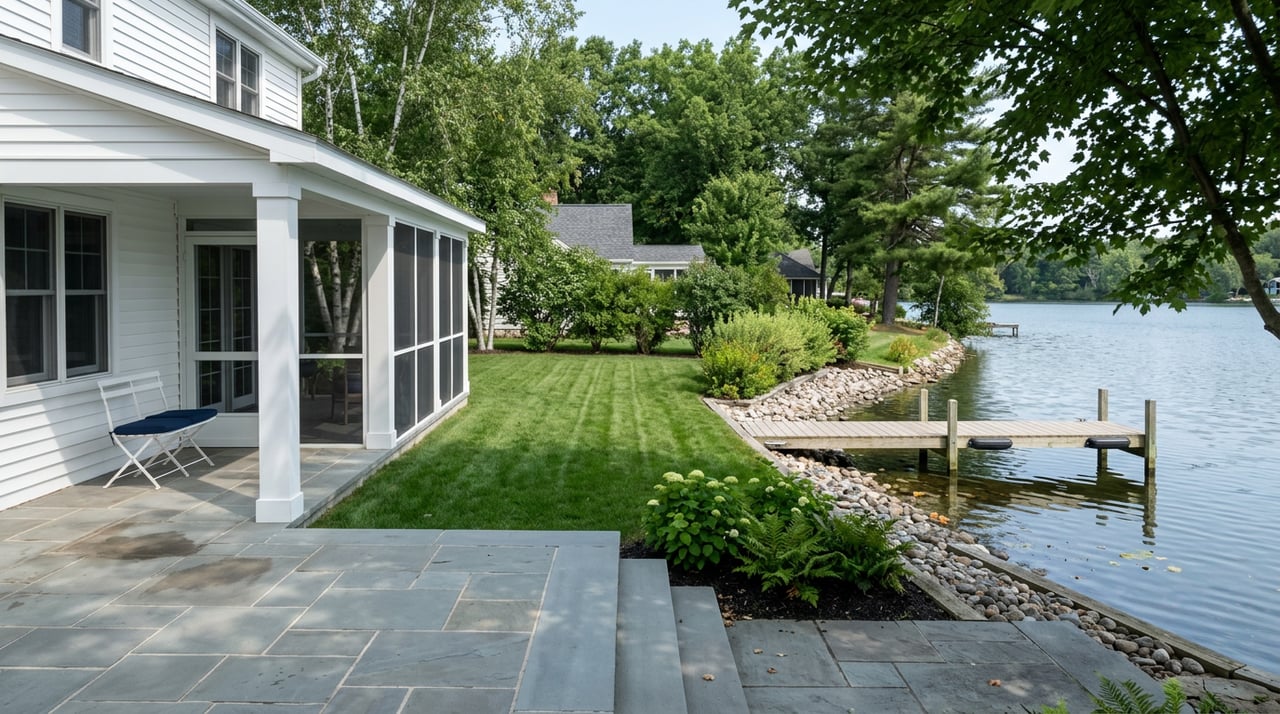
Picture a calm morning where loons call, the water sits like glass, and your coffee comes with a view. If you are weighing life on Ballston Lake against a near‑lake address, you are not alone. The lake is a gem in Saratoga County, but like any waterfront area, it comes with tradeoffs. In this guide, you will learn what to expect from homes, lake access, docks and permits, water quality, and everyday lifestyle choices. Let’s dive in.
Ballston Lake sits in the Town of Ballston, between the Capital Region and Saratoga Springs. The New York State Department of Environmental Conservation classifies it as a warm‑water fishery with largemouth and smallmouth bass, yellow perch, walleye, bluegill and more, and ice fishing is permitted. You can review lake facts and the state‑listed public access details on the DEC’s Ballston Lake page at the north end of the lake for orientation and planning (DEC overview).
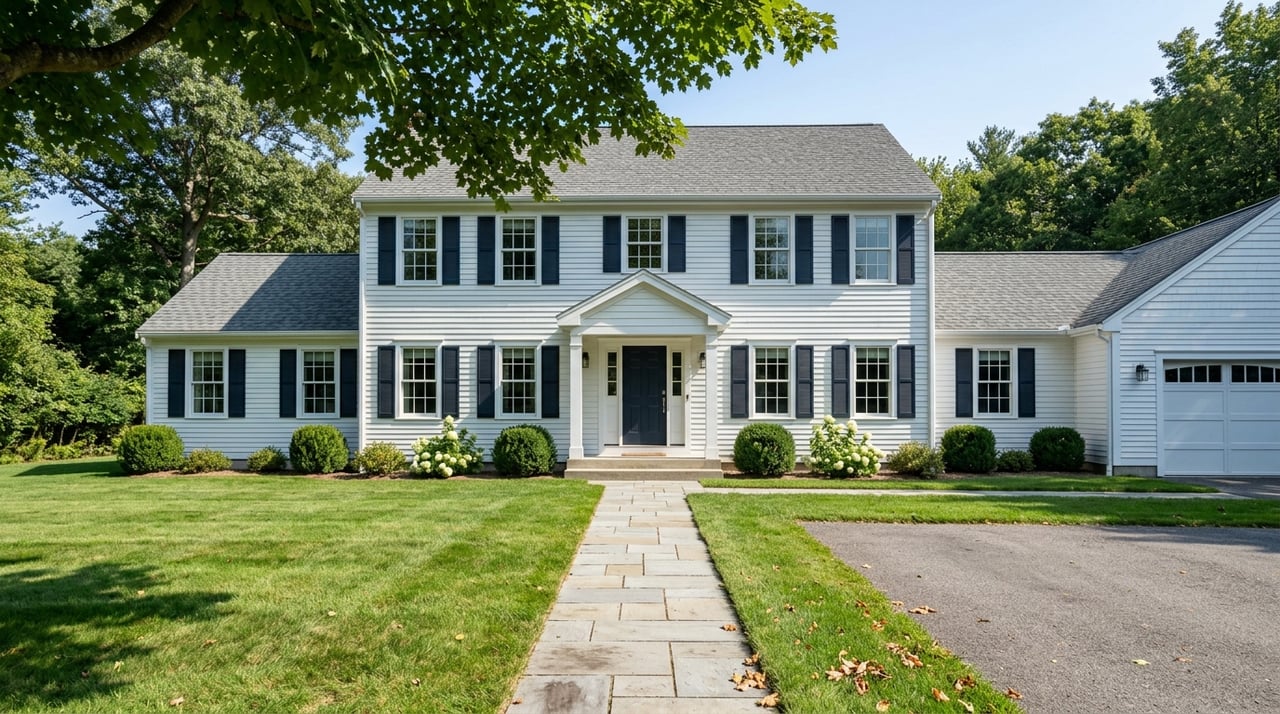
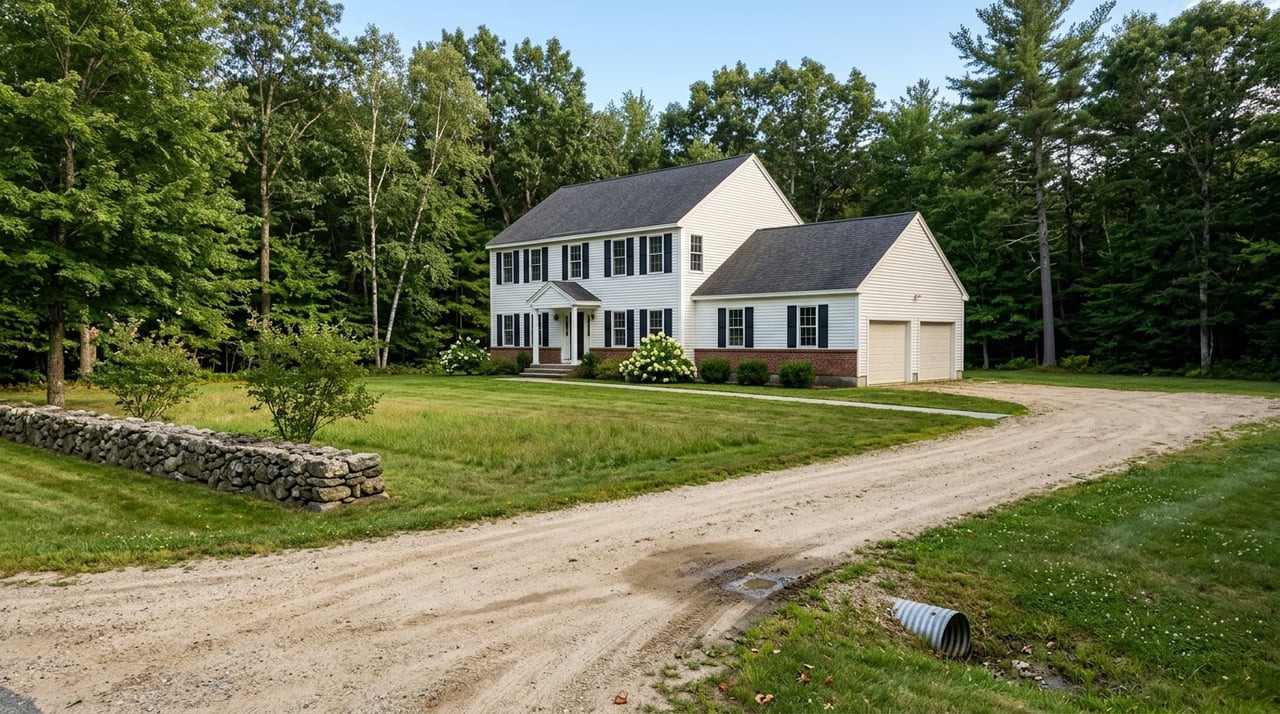
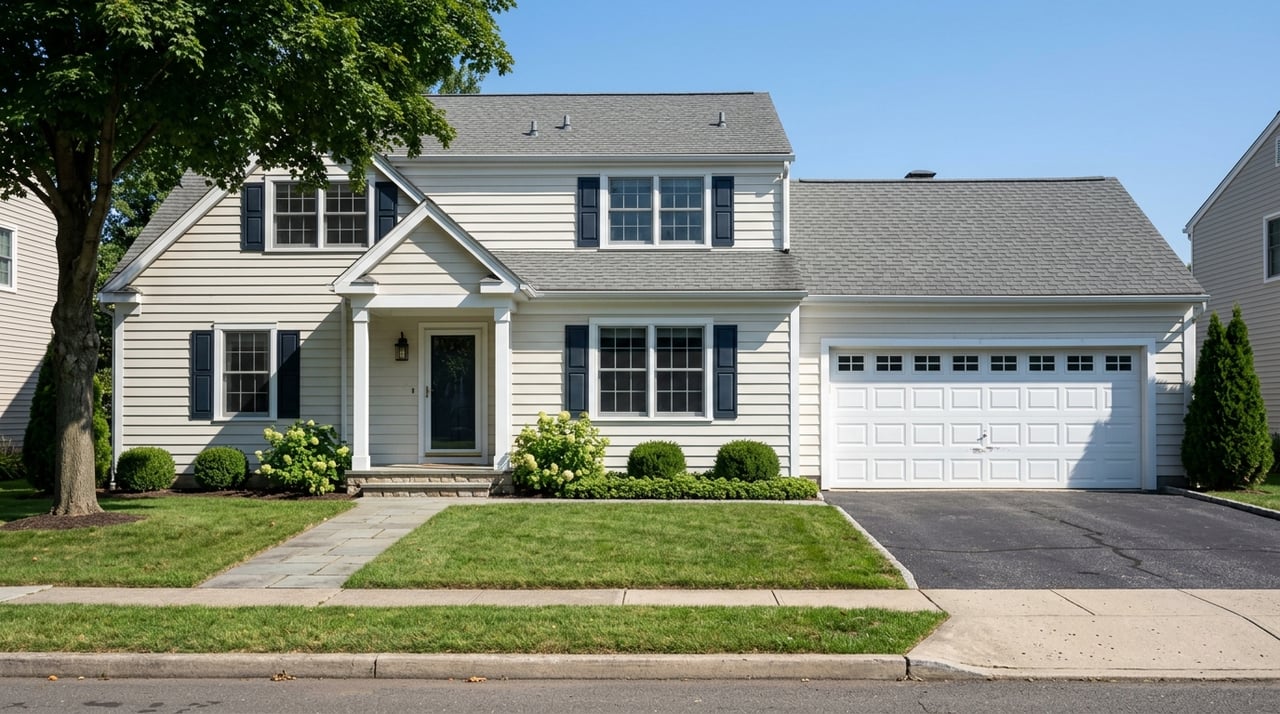
You will see a clear pattern around the shoreline and nearby streets. Immediate waterfront lots often hold smaller cottages and older bungalows, some used seasonally and some updated for year‑round living. Streets just off the lake add mid‑century ranches and colonials. Farther inland, you will find newer and larger custom single‑family homes in small subdivisions or on larger parcels.
Lot size follows the same logic. Waterfront parcels tend to be narrower with modest footprints. Near‑lake and inland properties can range from roughly a half‑acre to several acres. Many addresses here are served by the Burnt Hills–Ballston Lake Central School District, which is a common point of interest for buyers.
Recent examples on public listing portals show a wide spread, from smaller starter homes to larger custom properties in the 600k to 900k+ range. Because prices change quickly, it is best to use current listings and a local market review when you are ready to tour.
Public access is concentrated at the north end. The DEC lists a free fishing pier and a small car‑top launch off Outlet Road that works well for paddlers and light craft. Local volunteers also highlight an ADA‑accessible kayak and fishing launch that makes getting on the water easier (BLIA access summary).
For trailered boats, there is a privately operated launch next to the lakeside tavern that charges fees and enforces its own rules. If you plan to launch larger boats, confirm hours, parking, and rates with the operator (Ballston Lake Boat Launch).
Safe operation matters on a long, narrow lake. Expect slow or no‑wake etiquette near shorelines and docks, and be mindful of the 100‑foot/5‑mph caution zone that is typical on smaller lakes. Local groups reinforce respectful speeds and spacing so everyone enjoys the water (BLIA lake info).
Before you assume you can add or expand a dock, check the Town of Ballston code. Docks require a Town permit, have limits on size and how far they can extend from the mean high‑water mark, and mooring placements must follow set rules. Boathouses cannot include eating or sleeping facilities, and marinas are not allowed on Ballston Lake. If a listing includes a dock or mooring, ask for the permit history and confirm records with the Building Department (Town code for docks and moorings).
Ballston Lake is moderately to highly productive and can be susceptible to cyanobacterial (blue‑green algae) blooms during warm months. The community has also documented aquatic invasive species, including zebra mussels, Eurasian watermilfoil, and water chestnut. These conditions shape how and where you swim, fish, or anchor during peak summer. For a technical view of trends and recommended actions, see the Ballston Lake Management Plan prepared by EcoLogic and the Upstate Freshwater Institute (2022 management plan).
Local groups monitor and share advisories during bloom season. For the most current status, check the state’s Harmful Algal Bloom notifications page, and follow local notices if a bloom is suspected (DEC HAB guidance and notifications).
A major municipal effort is the Ballston Lake sewer project, intended to reduce nutrient input from septic systems. The management plan highlights this as a key long‑term step for lake health. If you are evaluating a property, confirm whether it is connected or when a connection may be required.
Living on or near the lake offers a distinct rhythm. Summer brings boating, paddling, fishing, and lakeside dining. Winter quiets the shoreline, and ice fishing is permitted when conditions allow. Here are the common benefits and realities to weigh:
Use this quick checklist to make a confident decision:
If you value relaxed lake mornings, paddling at sunset, and a close community feel, you may love living on Ballston Lake. If you prefer big‑boat marina services, large lakefront yards, and always‑clear swim water, near‑lake or inland options could be the better match. Either way, you can still enjoy the water through public access and community programs while finding a home that fits your space and budget goals.
Ready to compare specific properties, verify dock status, and understand sewer connections or lake access language in a contract? Let’s talk about your timeline and wish list. Reach out to Shayna Lynne Goodson for local guidance and a clear plan.
Stay up to date on the latest real estate trends.
Dedicated to both technology and innovation, The Shayna Goodson Team comprises a group of highly specialized real estate professionals who are poised to provide you with tailored solutions to achieve your objectives, whether you're in the market to buy or sell. Our team is known for its unwavering commitment and determination, aiming to become your lifelong, trusted partners in real estate expertise.