Relocating to Saratoga Springs? Plan Your Move With Clarity
May 14, 2026
May 14, 2026
Thinking about moving to Saratoga Springs from out of town? It can feel hard to compare neighborhoods, plan showings, and make confident decisions when you are not local yet. The good news is that with the right timeline, a smart travel plan, and a clear communication system, you can make your move feel much more manageable. This guide walks you through the practical steps so you can plan with less stress and more clarity. Let’s dive in.
Before you build a moving plan, it helps to understand the local setup. Saratoga Springs had an estimated population of 28,741 in 2024, and the city’s 2020 to 2024 ACS profile shows a 57.8% owner-occupied housing rate. The same data shows a median owner-occupied home value of $478,100, median gross rent of $1,470, median household income of $105,944, and a mean travel time to work of 27.2 minutes.
That snapshot matters because Saratoga Springs can offer a mix of living patterns. Some home searches focus on more in-town convenience, while others stretch into lower-density areas around Saratoga County that may involve more driving. Countywide, the mean travel time to work is 25.5 minutes, which gives you a useful benchmark as you compare locations.
A remote search is also realistic here. Saratoga Springs households report 96.1% computer ownership and 90.3% broadband subscription, which supports video calls, virtual tours, and shared documents during the relocation process. If you cannot be here for every step, that local digital readiness makes coordination much easier.
The biggest mistake many relocators make is waiting until they arrive to get organized. A better approach is to do your decision-making work before the first showing. That way, your in-person time is focused on confirming fit, not starting from scratch.
Start by narrowing a few core priorities:
Once you know those basics, keep your home search in one shared place. A single spreadsheet or document can help you track listings, compare features, and note deal-breakers. This is especially helpful if more than one person is involved in the decision.
A virtual tour should do more than show pretty rooms. If you are buying from a distance, you need a live, honest view of how the property actually functions. Recorded clips can help, but real-time video is usually more useful because you can ask questions on the spot.
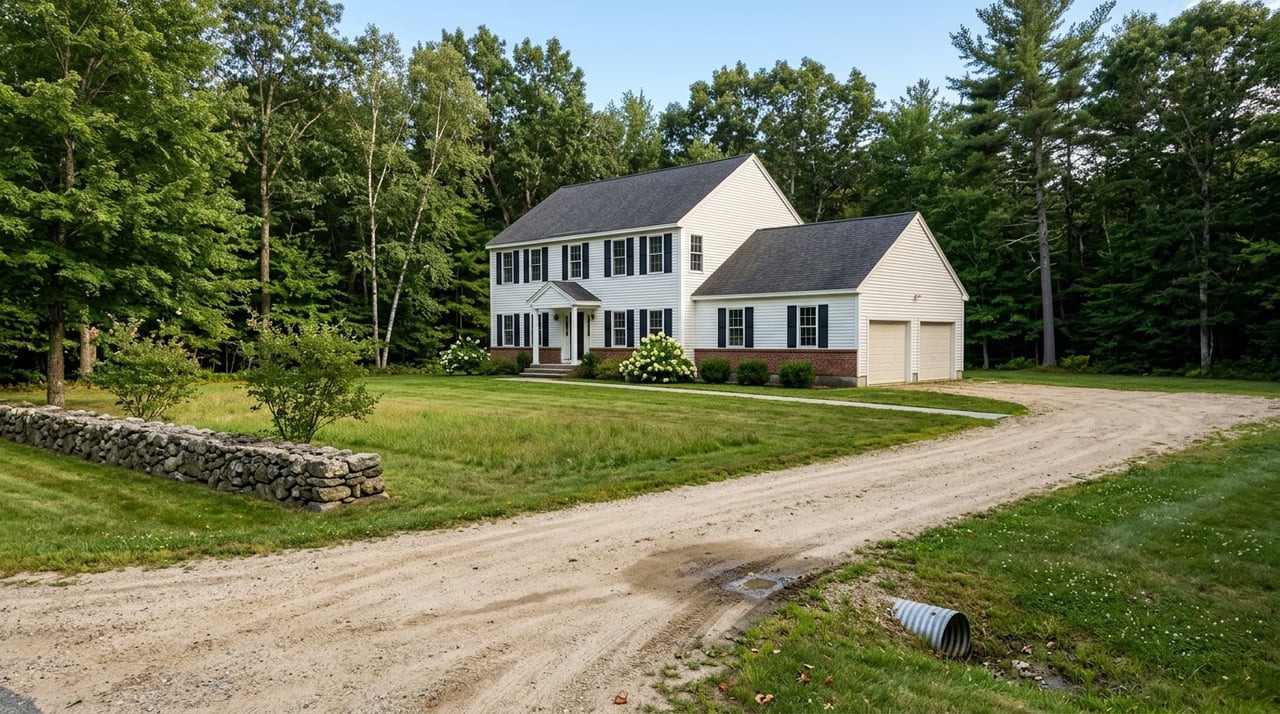
During a live tour, ask to see details that matter for daily life, not just staging. That includes the exterior condition, driveway setup, parking layout, storage, basement or crawlspace access, yard drainage, and the sound and feel of the street. Those details can shape your experience just as much as square footage or finishes.
After each tour, score the property while the information is fresh. A simple comparison sheet can help you rank each home for commute fit, maintenance needs, parking, and move-in readiness. That system makes decision-making faster when a strong option comes up.
Transportation patterns matter when you are choosing where to live. Saratoga Springs promotes a multi-mode transportation approach through its Complete Streets Policy, which is designed to support drivers, pedestrians, bicyclists, and transit riders. The city also says it has 94 miles of sidewalks and is a Bronze-Level Walk Friendly Community.
That does not mean every part of your search will feel the same. Some areas may support more walkable day-to-day routines, while outer neighborhoods or acreage properties may still call for a car-first lifestyle. If your work, errands, or routine depend on easy access, test those patterns early.
The city’s planning documents point to Route 22, Route 50, I-87, Route 9, and Geyser Road as important commuter and wayfinding corridors. Park-and-ride facilities are identified at the Saratoga Springs Amtrak Station and the Racino, with additional shared lots at Wilton Mall and Milton Town Hall. If commuting is part of your plan, build those routes into your search map.
If you are coming in for a short visit, structure matters. A smart trip can help you compare very different property types without wasting time driving back and forth. Instead of booking random showings, group them by geography and lifestyle.
A practical schedule often looks like this:
This kind of sequence works well in Saratoga Springs because the area blends walkable core blocks with corridor-based access to major routes. It also helps you compare what your day-to-day life might feel like in each setting.
When possible, drive key routes during realistic times. Since the city average commute is 27.2 minutes and the county average is 25.5 minutes, you can use those figures as rough reference points. Your own route may differ, but these numbers can help ground your expectations.
Where you stay during your house-hunting trip can shape the whole experience. Saratoga Springs has lodging options that include downtown accommodations, luxury hotels, historic inns, and nearby stays. For most relocators, the best choice is the one that keeps you close to your search area and reduces extra driving between appointments.
If you want to test downtown convenience, staying close to the core can make it easier to fit in multiple showings, grab a meal between tours, and return for a second look. It can also help you get a better feel for how parking and daily errands might work.
The city offers ParkMe, an app that maps downtown parking garages and shows free and paid parking options. The city page also points visitors to the Saratoga trolley and the CDTA bus schedule. These tools can be useful if you want to evaluate parking logistics before choosing a location.
If you are arriving by air, Albany International Airport is the main regional airport and is about 25 miles away, with I-87 north recommended for the drive into town. If you are arriving by rail, the Amtrak station is located at 26 Station Lane in Saratoga Springs. These are the two main arrival points to use when planning your trip.
Relocating is easier when your process is simple and repeatable. Too many texts, scattered emails, and mismatched notes can slow down decisions. A cleaner workflow helps you stay focused and reduces the chance of missing something important.
Try using one shared folder for listing details, disclosures, inspection reports, and moving tasks. Pair that with one weekly decision call and one running comparison document. This gives everyone a single source of truth.
It also helps to confirm listing status before every virtual or in-person showing. In a moving market, that extra check can save time and frustration. Then, right after the showing, capture a quick recap note so your impressions stay clear.
Once an offer is accepted, the process becomes more document-heavy and time-sensitive. If you are relocating, this is the stage where organization really pays off. Have your schedule, contacts, and decision-makers lined up so you can respond quickly.
Beginning July 1, 2025, New York requires a Property Condition Disclosure Statement in residential sales. Buyers should expect that disclosure paperwork early in the contract stage. The New York Department of State also makes clear that the disclosure statement is not a warranty and is not a substitute for inspections or environmental testing.
That is why inspections still matter. Buyers are encouraged to obtain their own independent professional inspections and check public records. If the property includes features like a private well, extra testing may also be worth planning.
For homes with private wells, the New York State Department of Health recommends testing well water for bacteria every year and for other contaminants every three to five years. If you are looking at rural or acreage properties around Saratoga County, this is an important part of your due diligence.
Remote closings can be manageable, but you need to understand the mechanics. New York no longer permits remote ink notarization after January 31, 2023, but electronic notarization is allowed. The Department of State also says paper copies of electronically notarized documents must be accepted through the papering out process.
You should also plan ahead for your final review period. Before signing closing papers, buyers should do a final walk-through and review all documents carefully. Lenders must send the Closing Disclosure at least three business days before closing, which is especially important when you are coordinating your move from another state.
One more practical point is budgeting. Closing costs typically run about 2% to 5% of the purchase price, not including the down payment. When you are relocating, it is wise to reserve room not just for closing costs, but also for travel, temporary housing, and immediate repairs or setup expenses.
A long-distance move often means more email, more digital paperwork, and more chances for confusion. That also means you need to be careful with any money movement tied to your closing. Wire fraud is one of the most important risks to take seriously.
Never rely only on emailed wiring instructions. Instead, confirm instructions by phone or in person with a trusted representative before sending funds. A quick verification step can protect your closing money and prevent a major problem.
If you want a simple way to stay on track, focus on these steps:
A relocation move does not need to feel chaotic. With a clear plan, the right local guidance, and a system for comparing homes honestly, you can make smart decisions even before Saratoga Springs feels familiar.
If you are planning a move into Saratoga Springs or anywhere in Saratoga County, working with a responsive local team can make the process much smoother. When you are ready for practical guidance, virtual-tour support, and hands-on help from search to closing, connect with Shayna Lynne Goodson.
Stay up to date on the latest real estate trends.
Dedicated to both technology and innovation, The Shayna Goodson Team comprises a group of highly specialized real estate professionals who are poised to provide you with tailored solutions to achieve your objectives, whether you're in the market to buy or sell. Our team is known for its unwavering commitment and determination, aiming to become your lifelong, trusted partners in real estate expertise.