How to Sell Land or Acreage in Greenfield Center
March 24, 2026
March 24, 2026
Thinking about selling your land or acreage in Greenfield Center but not sure what buyers will ask first? You are not alone. Land sales have more moving parts than a typical home sale, and a few early checks can save months of uncertainty. In this guide, you will learn what affects value, which approvals and reports matter, and how to prepare your parcel so buyers move faster. Let’s dive in.
Knowing what the Town allows on your parcel is step one. Greenfield Center is within the Town of Greenfield, and local rules shape every buyer conversation.
Zoning and overlays. Confirm your zoning district and whether any overlays apply using the Town code and zoning map. The Town’s zoning chapter outlines permitted uses, special permits, and overlays like flood or wetland areas that can limit development. Review the code in Chapter 105 and the map to verify your parcel’s status. See the Town zoning code and the Town zoning map.
Subdivision procedures. If you plan to split acreage into lots, the Town’s subdivision rules set the path and timelines. The code explains minor and major subdivisions, required plans, and when public hearings apply. Read Chapter 90 to understand sketch, preliminary, and final plat stages before you price or promise lot counts. See the Subdivision of Land code.
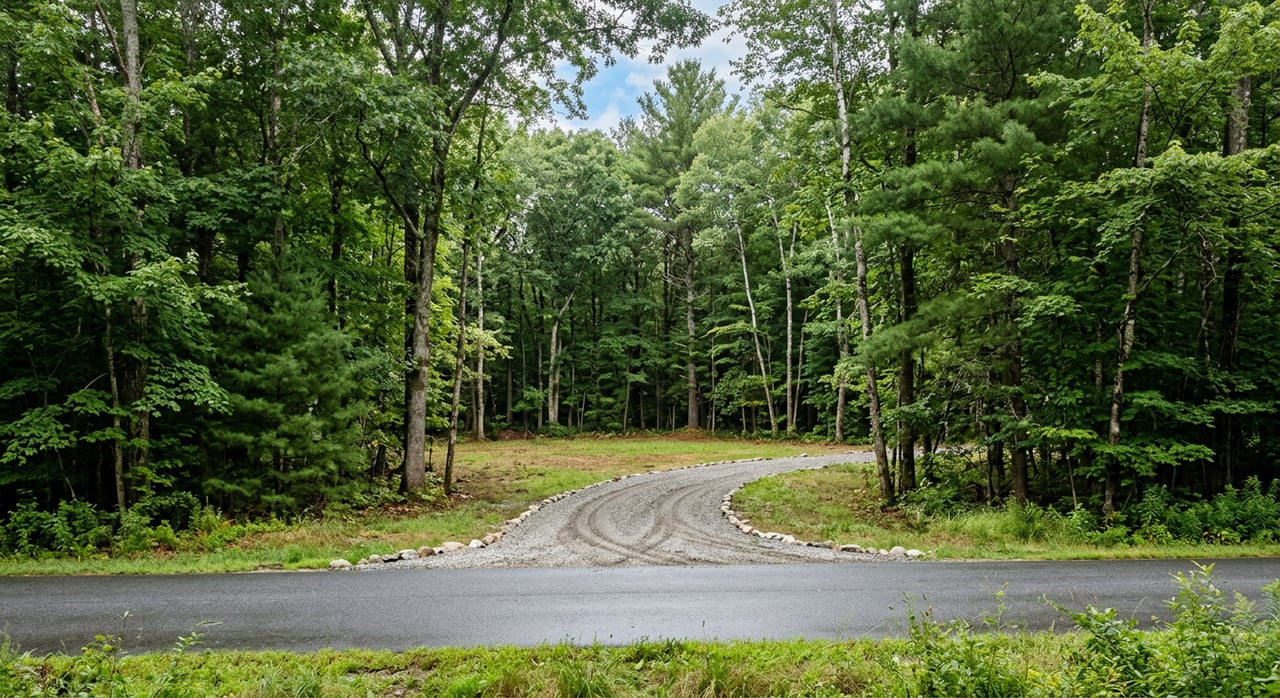
Access and driveway permits. Legal access is essential. The Town code includes driveway and sight‑distance standards. Depending on whether your frontage is on a Town or County road, you may also need a highway permit. Clarify jurisdiction early to avoid a deal blocker. Review access standards in the Town zoning code.
Floodplain rules. Parcels in special flood hazard areas face extra lender, insurance, and permitting requirements. Check your property on the FEMA Flood Map Service Center and note any flood overlays in the Town code.
Buyers start with basics. Is there legal frontage on a public road? Can a driveway be permitted with safe sight lines and an approved culvert if needed? Without clear access, most lenders and builders will not proceed. See access standards in the Town zoning code.
Electric, possible natural gas, broadband, and any public water or sewer options drive interest and costs. In much of Greenfield Center, buyers expect private well and septic. Identify utility providers and note whether public services reach your parcel using the Town’s zoning map resources.
For on‑site wastewater, Saratoga County’s Department of Health oversees approvals. Many buyers request a recent perc or site evaluation to confirm a single‑family home site is feasible. Having this ready reduces contingencies. Learn requirements from the County’s Onsite Wastewater Treatment Systems page.
If a well exists, recent water test results build confidence. The New York State Department of Health provides testing guidance and a private well risk overview. Share what you know and encourage buyers to verify as part of due diligence. See the NYSDOH’s private well guidance.
State‑mapped freshwater wetlands and streams can limit buildable area and trigger permits. Buyers often use the NYSDEC Environmental Resource Mapper to flag constraints and may request a formal determination or delineation. Start with the DEC’s Environmental Resource Mapper guide.
Flood zones affect insurance costs and lender rules. Check your parcel’s designation on the FEMA Flood Map Service Center and share results in your listing packet.
Slope, ledge, rock, and timber value affect where a home could sit, driveway length, and site work costs. In your marketing, highlight the most usable area, not just total acreage.
Buyers prioritize what they can legally build. Confirm your zoning district, whether the intended use is permitted, and whether any special use permit applies. Start with the Town zoning code.
Acreage outside mapped wetlands and flood zones with perc‑suitable soils is worth more to most home builders. Use DEC and FEMA tools to outline likely buildable sections and be transparent about any constraints. See the DEC’s ERM guide and FEMA maps.
Legal frontage, a feasible driveway location, and nearby utilities reduce buyer risk and cost. If you can show a potential driveway location that meets Town standards and clarify utility options, you will attract more serious offers. Refer to access standards in the Town zoning code and the Town’s zoning map resources.
Recent local sales and taxes matter more than county‑wide per‑acre averages. Pull data from the Saratoga County Property Record Online System to assemble relevant comps and confirm parcel details. Use Saratoga County PROS along with MLS data for the most accurate picture.
Tailor your messaging. Private home builders want proof of buildability. Small developers look for subdivision potential and driveways that meet standards. Recreational or conservation buyers may value timber, trails, or habitat. Make the likely use case clear in your photos and description.
Timelines vary. A small, clearly buildable lot with utilities nearby and a recent perc can sell more quickly. Larger raw parcels with wetlands, no clear access, or without septic information often take longer. If you plan to subdivide, the Town’s staged process and possible public hearings add months or even longer. Read the Subdivision of Land code to understand the required steps.
Why consider some pre‑work? A recent survey, septic evaluation, and quick environmental review can reduce contingencies, tighten timelines, and improve offer quality.
Selling land in Greenfield Center is all about clarity. When you confirm zoning, document access, share septic and well information, and flag any wetlands or flood zones, you remove uncertainty and invite stronger offers. If you want a pricing strategy and marketing plan tailored to your acreage, reach out to Shayna Lynne Goodson for hands‑on guidance and tech‑forward exposure that meets Greenfield buyers where they are.
Stay up to date on the latest real estate trends.
Dedicated to both technology and innovation, The Shayna Goodson Team comprises a group of highly specialized real estate professionals who are poised to provide you with tailored solutions to achieve your objectives, whether you're in the market to buy or sell. Our team is known for its unwavering commitment and determination, aiming to become your lifelong, trusted partners in real estate expertise.