Your Seasonal Ballston Spa Home Maintenance Checklist
May 28, 2026
May 28, 2026
Wondering when to tackle gutters, HVAC service, or winter prep in Ballston Spa? That question matters more here than in many places, because local weather swings from snowy winters to warm, humid summers. A smart seasonal checklist helps you stay ahead of water damage, comfort issues, and costly repairs while protecting your home’s long-term value. Let’s dive in.
Ballston Spa homeowners deal with a true four-season climate. Nearby Saratoga Springs climate normals show an annual mean temperature of 48.9°F, about 46.38 inches of precipitation, and roughly 63.5 inches of snowfall each year.
That means your home has to handle snow, freeze-thaw cycles, spring melt, summer humidity, and fall temperature drops. In a village with a well-established housing stock and many single-family homes, routine upkeep is less about appearances and more about protecting roofs, gutters, foundations, basements, siding, windows, and major systems.
One theme matters in every season: moisture control. Roof drainage, grading, quick leak response, and keeping wet areas dry can help reduce the risk of mold, rot, and building wear over time.
Spring is your reset season. After months of snow, ice, and freezing temperatures, this is the time to look for wear and catch water issues early.
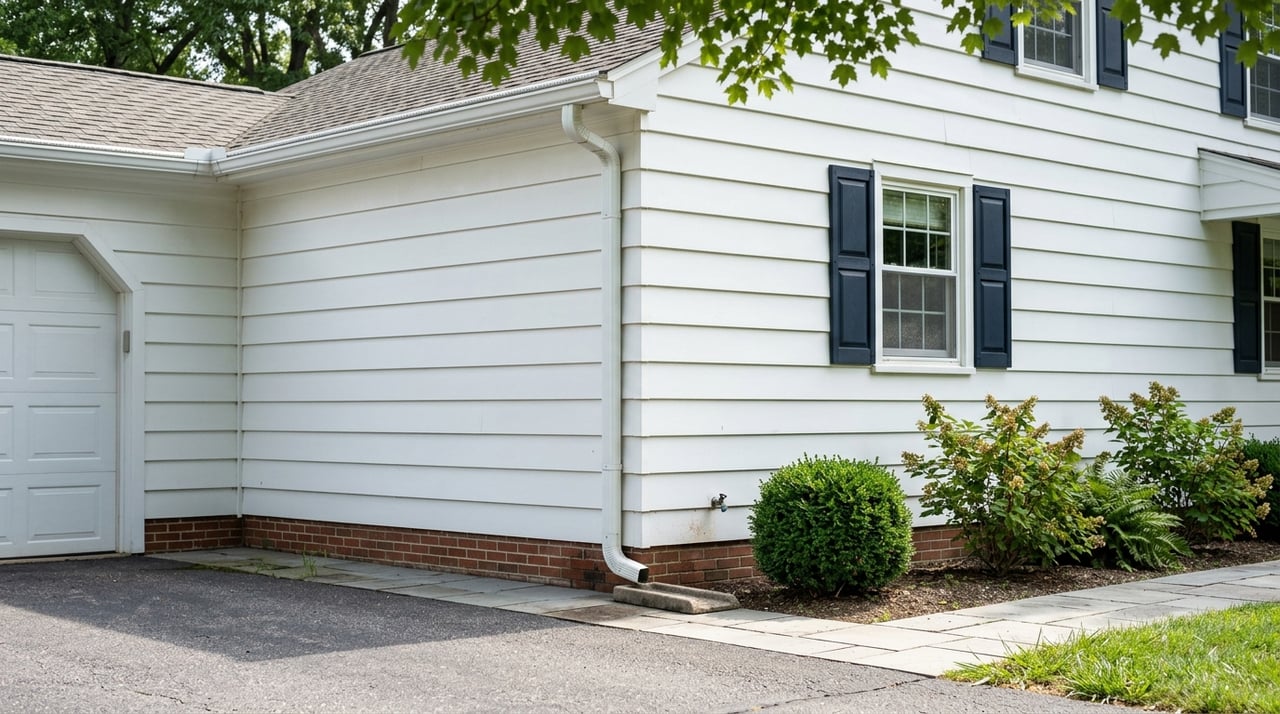
Inspect your roof, flashing, gutters, and downspouts after winter weather. Make sure gutters are clear and that roof runoff is carried away from the foundation.
It also helps to look at the ground around your home. The grading should slope away from the house so water does not collect near the foundation.
Snowmelt and spring rain can reveal moisture problems fast. Check the basement, crawlspace, and lower walls for damp spots, staining, or musty odors.
If you find wet areas, dry them as quickly as possible. EPA guidance says wet materials should be dried within 24 to 48 hours to help prevent mold growth.
Before the first hot stretch hits, schedule a tune-up for your cooling system. Spring is the best time for a pre-season checkup.
You should also start checking air filters regularly. During heavy-use months, ENERGY STAR recommends checking filters monthly.
Spring is a good time to reseal visible gaps around windows, doors, pipe openings, and attic access points. Caulking and weatherstripping are simple ways to improve comfort and efficiency.
Even small leaks can affect indoor comfort as temperatures swing. Taking care of them early can help your home perform better through both summer and winter.
Summer in Ballston Spa is often the easiest season for exterior work. It is also the right time to stay on top of cooling equipment, humidity, and exterior plumbing.
Continue checking HVAC filters monthly during heavy-use periods. Dirty filters can slow airflow, raise energy costs, and put extra strain on your system.
Take a look at the outdoor unit too. Keep debris cleared away, and make sure the condensate drain is not clogged, since drainage problems can lead to excess humidity or water damage.
Humidity can build up in basements, bathrooms, and laundry areas during summer. Moisture control is key if you want to limit mold risk and keep your home more comfortable.
When possible, keep indoor humidity below 60 percent. Exhaust fans, dehumidifiers, and prompt leak repair can all help.
If your property has exterior faucets or irrigation, check them for leaks during the summer. Even a small plumbing issue can waste water and create avoidable moisture problems near the foundation.
This is also a good time to pay attention to water use patterns. An unexplained increase may point to a leak that needs attention.
Use the dry season to address limbs or shrubs touching the roof or siding. Overgrowth can trap moisture and make it harder to spot issues with roofing, trim, or drainage.
Keeping these areas clear also makes seasonal inspections easier. You can see more of the home’s exterior and catch small problems before they grow.
Fall is all about getting ready before freezing weather arrives. In Ballston Spa, that window matters, because measurable snow can show up from November through April.
Have your furnace or boiler serviced before the first cold snap. Fall is the ideal pre-season window, and annual service is especially important for gas-, oil-, and coal-burning appliances.
If your home uses a chimney, it should also be checked or cleaned each year. This step supports both performance and household safety.
Test all smoke alarms and carbon monoxide alarms in the fall. Smoke alarms should be installed on every level, outside sleeping areas, and inside bedrooms.
Batteries should be replaced yearly, and smoke alarms should be replaced at 10 years. Carbon monoxide detectors should be near sleeping areas, with batteries checked when clocks change and replacement based on manufacturer guidance or every 5 years.
If your property has irrigation, shut off the water supply and drain the lines before freeze-up. This helps reduce the chance of damage once temperatures drop.
Exterior water systems are easy to forget until they fail. A few minutes of prep in fall can prevent a much bigger repair later.
Before winter, inspect attic and ceiling areas for obvious air leaks and review insulation levels. Good air sealing, attic insulation, and ventilation can help reduce heat loss and lower the risk of ice dams.
This is one of the most important cold-weather prep steps for homes in this region. It can affect comfort, energy use, and roof performance all at once.
Winter maintenance in Ballston Spa is mostly about prevention and quick response. Snow, freezing rain, and power outages can all put extra stress on your home.
Ice dams are one of the biggest winter roof concerns in this area. They can form during freeze-thaw cycles when attic heat melts roof snow and the melt refreezes at the eaves.
If you notice signs of ice damming, it is a clue to look at attic air sealing, insulation, and ventilation. Those factors play a big role in reducing future risk.
Keep indoor temperatures high enough to help protect your pipes. Freezing risk depends on where pipes are located and how well those areas are insulated.
If pipes begin to freeze, they can burst and cause major water damage. That makes winter temperature management more than just a comfort issue.
After snow or freezing rain, inspect ceilings, exterior walls, and the attic for leaks or damp insulation. Winter storms can expose roof or flashing issues that were not obvious before.
If anything gets wet, dry it quickly and fix the source of the moisture. Fast action helps limit damage and reduces the chance of mold growth.
If you use a generator during a power outage, keep it outdoors and well away from windows, doors, and vents. Fuel-burning devices should never be used inside a home or garage.
This is one of those winter reminders that is easy to overlook in a stressful moment. Having a plan before an outage makes safe use much easier.
Some properties in and around Ballston Spa have systems that need their own maintenance schedule. If your home has a private well or onsite wastewater system, add these items to your yearly plan.
New York State guidance recommends testing private wells for coliform bacteria at least once a year. Other contaminants should be tested every 3 to 5 years.
You should also inspect the well casing and cap annually and keep maintenance records. These simple steps can help you stay organized and catch issues earlier.
Saratoga County notes that many homes in the county use onsite sewage disposal. Septic tanks should typically be pumped or inspected every 2 to 3 years by a NYSDEC-permitted waste transporter.
If you are unsure of your last service date, this is a good item to verify now. Staying on schedule can help you avoid backups, odors, and more expensive repairs.
If the full list feels like a lot, keep it simple. Tie your home maintenance to the seasons and focus first on anything involving water, heat, air, or safety.
A practical Ballston Spa rhythm looks like this:
Staying consistent usually matters more than being perfect. Small checks done on time can prevent the larger issues that affect comfort, repair costs, and resale appeal.
If you are thinking about selling in the next year or two, maintenance habits matter even more. Buyers notice signs of deferred upkeep, and homes that feel well cared for often inspire more confidence from day one.
When you want practical guidance on what improvements matter most before you list, connect with Shayna Lynne Goodson. The Shayna Goodson Team brings local market knowledge, responsive service, and hands-on real estate guidance to Ballston Spa homeowners.
Stay up to date on the latest real estate trends.





Dedicated to both technology and innovation, The Shayna Goodson Team comprises a group of highly specialized real estate professionals who are poised to provide you with tailored solutions to achieve your objectives, whether you're in the market to buy or sell. Our team is known for its unwavering commitment and determination, aiming to become your lifelong, trusted partners in real estate expertise.