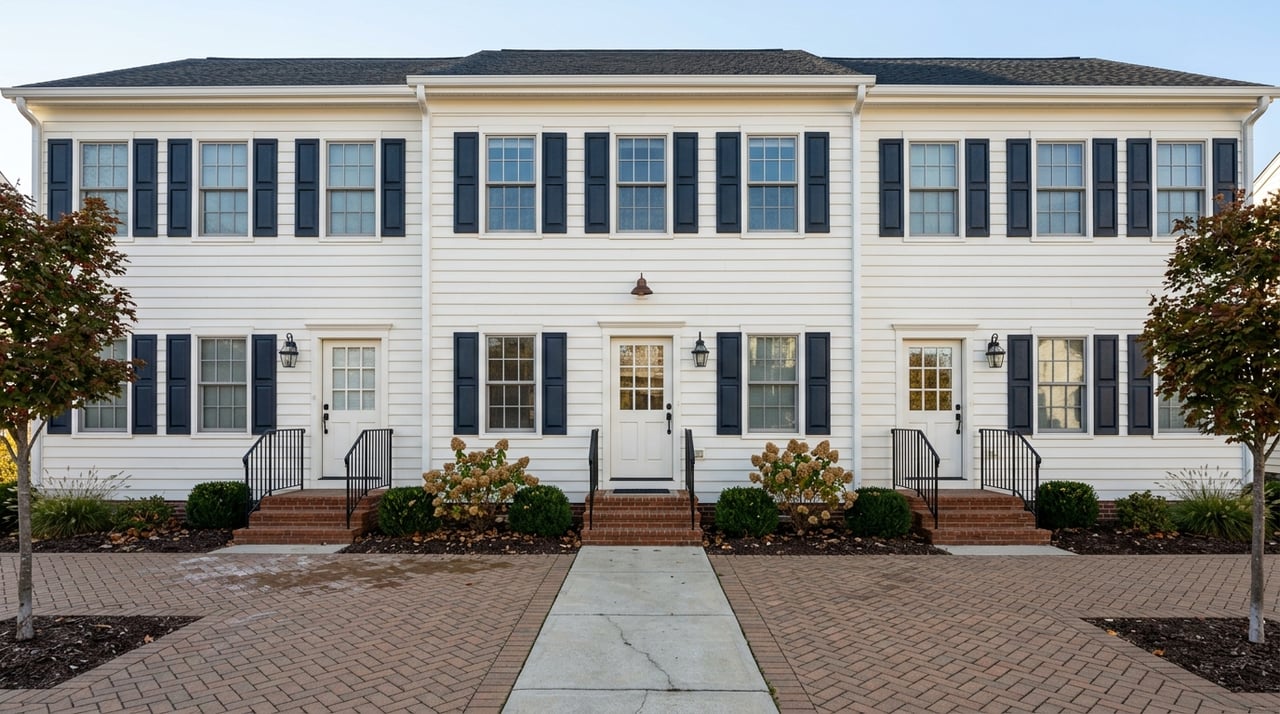
Saratoga Springs Condo vs House: How to Choose Well
June 18, 2026
June 18, 2026
Trying to choose between a condo and a house in Saratoga Springs? You are not alone. In a market where prices are high, inventory can vary by property type, and location can change your day-to-day lifestyle, this decision can feel bigger than it first appears. The good news is that once you compare cost, maintenance, and how you want to live, the right fit usually becomes much clearer. Let’s dive in.
Saratoga Springs remains an active market with higher price points than many nearby areas. In March 2026, Redfin reported a median sale price of $912,500, with homes selling in about 40 days. Realtor.com showed 304 active listings with a median list price of $829,500 and a typical market time of 47 days.
That matters because your condo-versus-house decision is happening in a market where both price and pace deserve attention. Saratoga Springs is also described as somewhat competitive, which means well-positioned properties can still move quickly. If you are comparing options, it helps to look beyond list price and focus on total value.
Condos make up a smaller part of the local inventory. Redfin showed 47 condos for sale in Saratoga Springs at a median listing price of $988,000. That suggests the current condo selection may lean more toward premium or downtown-oriented options rather than entry-level inventory.
There is no simple rule that says a condo is better than a house, or the other way around. In Saratoga Springs, the better choice usually comes down to your monthly budget, your comfort with maintenance, and how much control you want over the property.
Location also plays a major role. Redfin gives Saratoga Springs a Walk Score of 41, which means the city is minimally walkable overall. In real life, that means being close to downtown or other in-town destinations may feel very different from living in a location where you rely more on driving.
One of the biggest mistakes buyers make is comparing only purchase price. What matters more is what you will actually pay each month.
For a condo, your monthly cost often includes a mortgage payment plus HOA or condo dues. The Consumer Financial Protection Bureau notes that these dues can range from a few hundred dollars a month to more than $1,000. Those fees are typically separate from your mortgage and should be reviewed carefully before you decide what feels affordable.
For a house, you usually do not have condo dues, but you take on more direct ownership costs yourself. That can include repairs, property taxes, homeowners insurance, and other upkeep expenses. A lower monthly payment on paper does not always mean lower real-world costs.
When you compare a condo and a house in Saratoga Springs, look at the full picture:
This side-by-side approach gives you a much more accurate answer than list price alone.
In Saratoga Springs, property taxes are not based only on whether a home is a condo or a house. They are parcel-specific. The city lists different 2025 tax rates for inside-district and outside-district parcels, along with a special assessment district rate.
That means two properties with similar prices can carry different tax bills based on their exact location. The Saratoga Springs City School District tax office also serves parcels in the city and surrounding towns, so school taxes are another key part of the monthly cost picture.
If you plan to use the home as your primary residence, it is also smart to check STAR eligibility. New York’s STAR program is mainly a school-tax benefit for eligible owner-occupied primary residences. In Saratoga Springs, it is best viewed as a potential school-tax offset rather than a broad reduction across all property taxes.
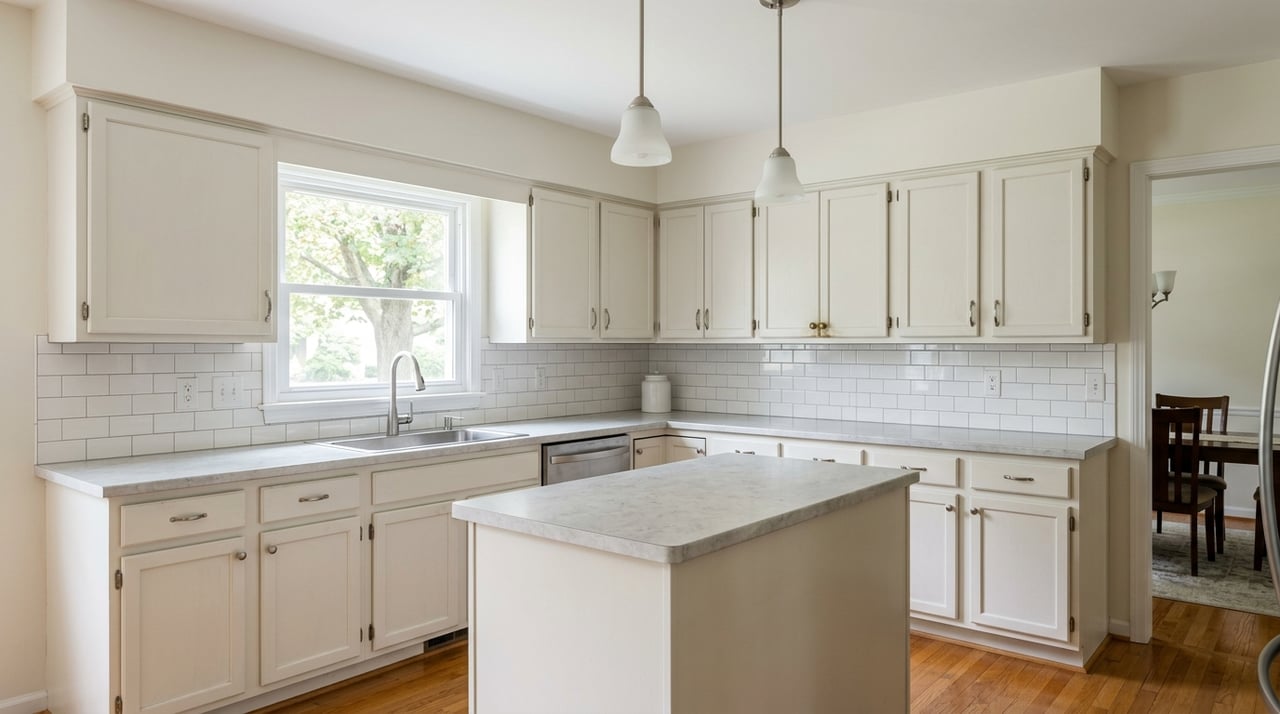
For many buyers, the biggest appeal of a condo is simplicity. If you want less exterior maintenance and fewer responsibilities tied to the building and common areas, a condo may feel easier to manage.
That convenience comes with a tradeoff. When you buy a condo, you are also buying into shared governance. According to the New York Attorney General, condo boards operate under the declaration, by-laws, and house rules, and those documents can cover repair obligations, use of common elements, pet restrictions, and other day-to-day rules.
In other words, a condo can reduce some hands-on work, but it also means accepting a framework that guides how the property is used and maintained. For some buyers, that structure feels helpful. For others, it feels too restrictive.
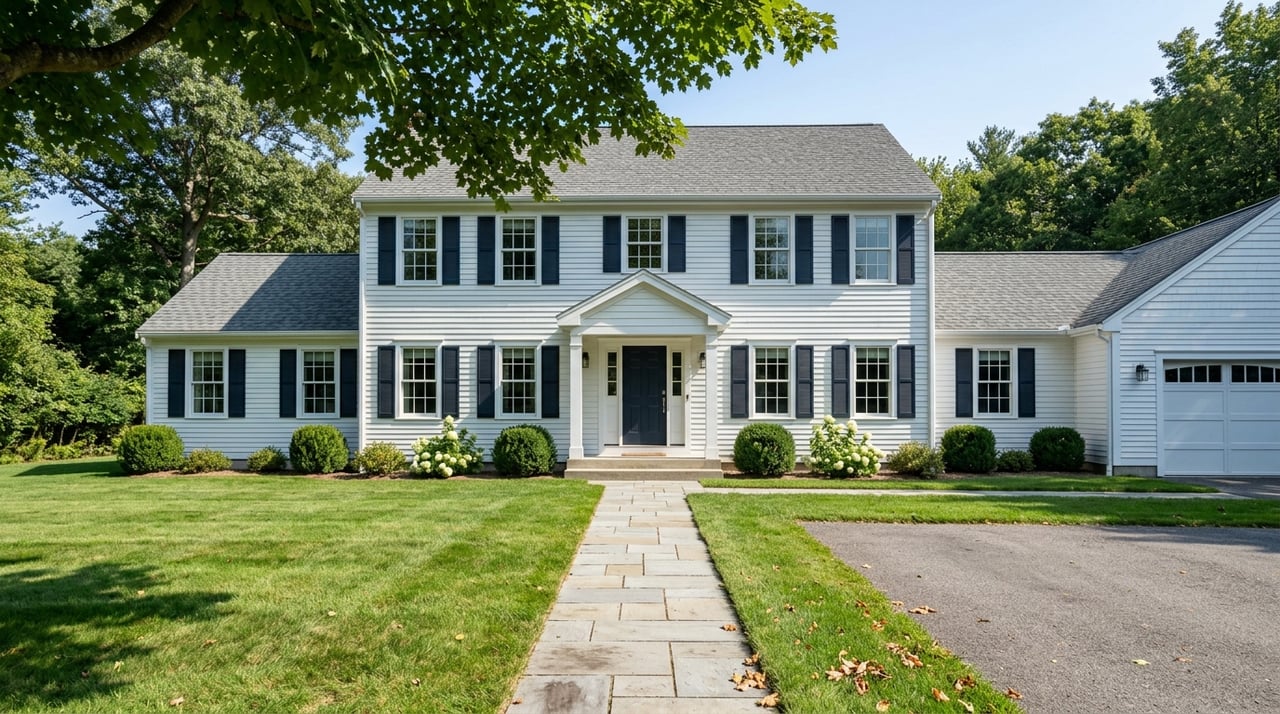
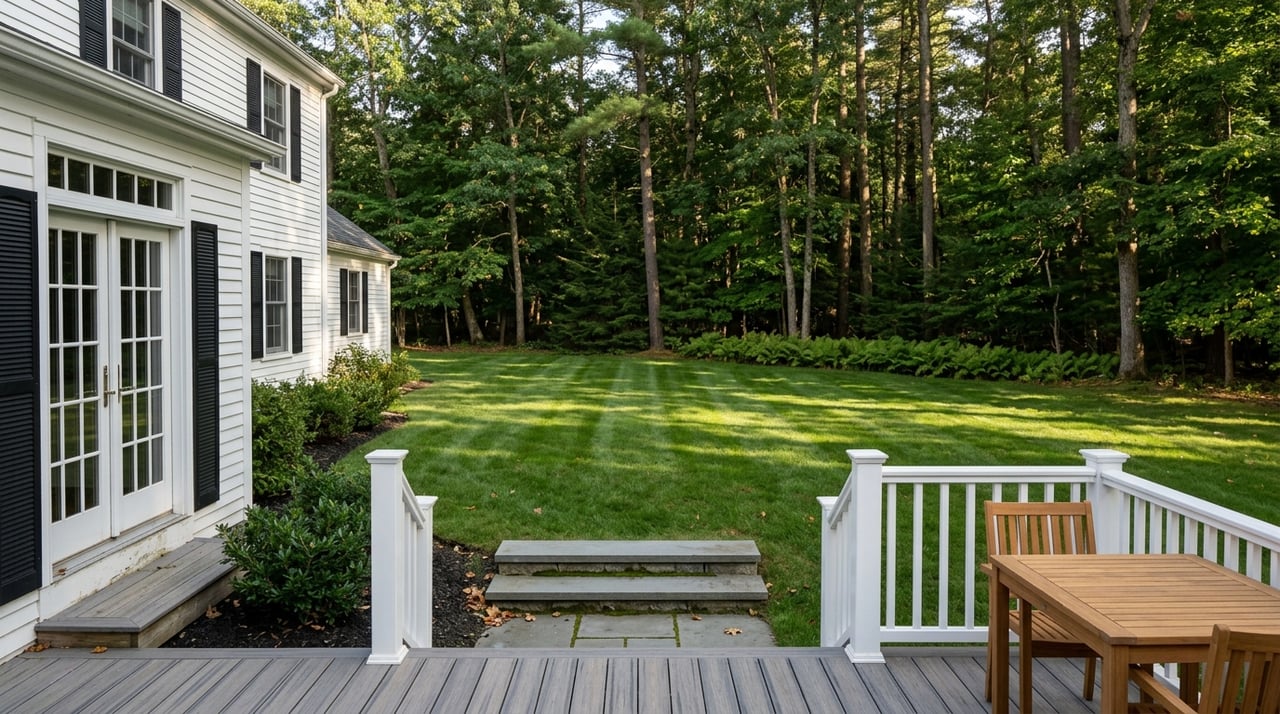
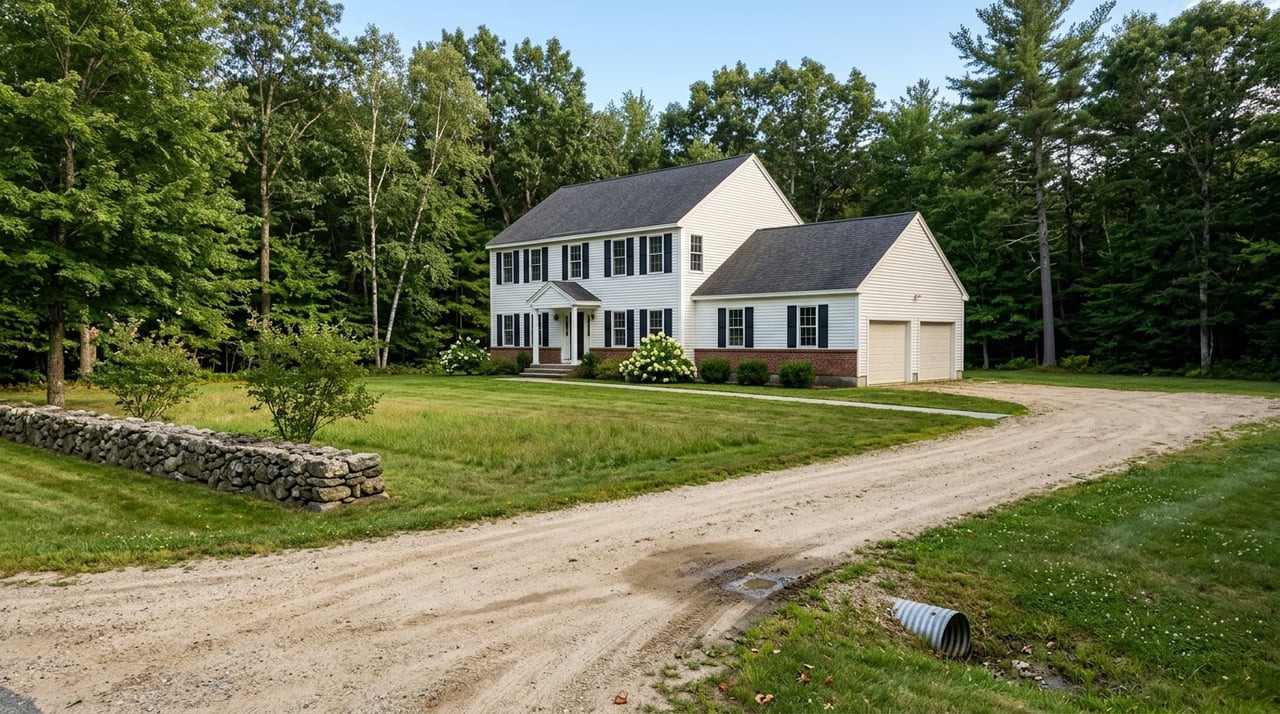
If you value autonomy, a single-family house may be the stronger fit. Owning a house usually gives you more control over the full parcel and fewer shared-governance rules.
That freedom also comes with more responsibility. The Consumer Financial Protection Bureau notes that homeowners are generally responsible for repairs, taxes, insurance, and ongoing upkeep. If something needs attention, you are usually the one planning and paying for it.
For buyers who want space, flexibility, and direct control, that tradeoff is often worth it. If you prefer not to deal with exterior maintenance or larger repair decisions, a house may feel like more work than you want.
Insurance is another area where condos and houses differ in important ways. With a condo, association dues often help cover master insurance for common areas, but you still need insurance for your own unit.
With a house, you are usually budgeting for the full homeowners insurance policy yourself. The CFPB also notes that flood insurance, if applicable, is generally not included in a standard homeowners policy. This is why insurance quotes should be part of your decision before you commit to one property type.
When you buy a condo, you are not just evaluating the unit. You are also evaluating the association behind it.
The New York Attorney General advises buyers to review the offering plan, declaration, by-laws, house rules, amendments, board minutes, and financial reports. Boards must keep key records available for inspection, including governing documents and annual financial reporting.
This review matters because the condition of the association can affect your ownership experience and future resale. If rules are more restrictive than you expected, or if financial records raise concerns, that can shape your comfort level before you buy.
Before buying a condo, ask to review:
The Attorney General also notes an important distinction between sponsor sales and resales. If the condo is being sold by an individual owner rather than a sponsor, the offering plan may not be current or may not be available, which makes document review even more important. The AG recommends consulting an attorney before signing a purchase agreement.
Both condos and houses can resell well in Saratoga Springs, but buyers often look at different things depending on the property type.
With a condo, resale is tied to both the unit and the association. Buyers may pay close attention to rules, shared finances, and the overall management structure, in addition to the layout and condition of the unit itself.
With a house, resale tends to be driven more by the property’s condition, lot, and location. There is usually less focus on association governance, but there can be more attention on maintenance history, repair needs, and ongoing ownership costs.
If you are stuck between the two, ask yourself three practical questions.
First, how do you want to spend your time? If you want less exterior upkeep, a condo may feel easier. If you do not mind handling repairs and maintenance, a house may give you more of what you want.
Second, how do you want your budget structured? A condo may include separate dues that help cover shared expenses. A house may avoid those dues, but it can bring more direct and less predictable repair costs.
Third, how much control do you want? If shared rules do not bother you, condo living may work well. If you want more independence over the property, a house may be the better fit.
In Saratoga Springs, the condo-versus-house decision is rarely just about price. The local condo market is smaller and can skew toward premium inventory, while the broader market remains active and relatively high-priced.
That is why the smartest move is to compare total monthly cost, maintenance expectations, and your comfort with shared governance. Once you match those factors to your lifestyle, the right path becomes much easier to see.
If you want help weighing specific properties in Saratoga Springs, Shayna Lynne Goodson can help you compare the numbers, the lifestyle tradeoffs, and the long-term fit with a local, practical approach.
Stay up to date on the latest real estate trends.

Dedicated to both technology and innovation, The Shayna Goodson Team comprises a group of highly specialized real estate professionals who are poised to provide you with tailored solutions to achieve your objectives, whether you're in the market to buy or sell. Our team is known for its unwavering commitment and determination, aiming to become your lifelong, trusted partners in real estate expertise.